
Beyond the products you create, what makes the relationship with your brand truly irreplaceable?
After several years of struggling to boost sales, the luxury industry is expected to gradually emerge from its prolonged slump in 2026.
This recovery will be driven primarily by the world’s two largest markets: the United States and China. With a value of approximately $130 billion, the United States is the world’s largest luxury market.
For many brands, returning to growth will not be an easy task. Since the end of the pandemic and the cooling off of the shopping frenzy that followed, luxury customers have fundamentally reevaluated their priorities. They have become much more selective in choosing the brands and products they wish to purchase. Spending on experiences, such as travel, is now growing faster than spending on products, while inflation has dampened the appetite for fashion, particularly handbags.
The price increases implemented by the major fashion houses during the boom years also drove away some of their customers.
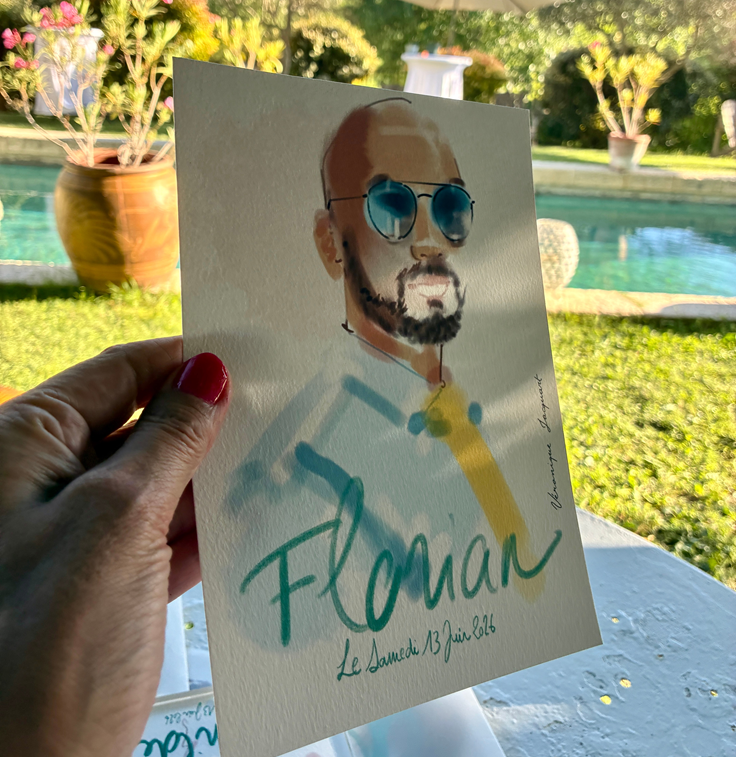
As the post-COVID euphoria faded, brands sought to protect their business by focusing their efforts on Very Important Clients (VICs). They have strengthened their ultra-high-end offerings and developed spacious private lounges in their flagship stores in the most prestigious neighborhoods, while increasing the number of events such as live sketching sessions for their customers. But by prioritizing customers least affected by economic uncertainties, many lost sight of their mid-tier and aspirational customer base, failing to offer them compelling reasons to return to the store. As a result, a large portion of these consumers turned away from the brands.
The key finding is that consumers share a fundamental expectation: the search for an emotional connection with brands. In a context where sparking desire is becoming more complex, this emotional connection is now the primary driver of luxury purchases. Customers favor brands that resonate with their personality, tastes, and values, while a brand’s historical heritage and prestige play a less decisive role than they did in the past.
The in-store experience remains a key factor in attracting all types of customers, underscoring the strategic importance of brick-and-mortar retail. To discover practical ideas for offering a memorable experience to your best customers: https://veroniquejacquart.com/comment-gater-des-clients-qui-ont-deja-tout/
Several strategic priorities are emerging for luxury brands:
1. Make Brand Purpose a True Driver of Growth
Quality and expertise are now prerequisites and are no longer enough to set a brand apart. Companies must invest equally in building an emotional connection, in brand storytelling, and in their cultural positioning.
The products should reinforce a sense of personal identity and self-fulfillment.
2. Extend brand experiences beyond top customers
Spending is gradually shifting toward travel, wellness, and the experiences offered by brands. It is becoming essential to create recurring programs—memberships, cultural events, lifestyle partnerships—that help maintain an ongoing relationship with both prospective and established customers.
Stores, creative directors, and personalized services must become effective tools for building customer loyalty.
3. Redefining exclusivity: rewarding loyalty rather than restricting access
Artificial scarcity can spark desire, but it must be perceived as deserved. In the United States, brands will benefit from developing exclusive access, limited-release launches, and loyalty rewards.
A New Era for Luxury
These developments are already reshaping the global luxury market. The future of the industry will no longer depend on a single profile of the international consumer, but on the ability of brands to meet expectations that vary increasingly from one market to another.
At the same time, the period between acquiring a customer and losing them has shortened considerably: it is no longer measured in years, but in a few months.
The brands that will succeed are those capable of answering one essential question:
Beyond the products you create, what makes the relationship with your brand truly irreplaceable?
Here is the version without the reference to McKinsey, with more natural wording.
Beyond the product: What makes your brand unforgettable?
After several years of slowdown, the luxury market finally seems to be returning to growth. This recovery will be driven primarily by the world’s two most powerful markets: the United States, the world’s largest luxury market with nearly $130 billion, and China.
But this growth will not be like the growth we experienced before the pandemic.
Luxury customers have changed. They buy less impulsively, compare options more, and expect much more than just a beautiful product. Experiences now take precedence over possessions: traveling, enjoying a special moment, and feeling an emotion have become more important than acquiring a new item. The sharp price increases of recent years have also created a certain distance between brands and a segment of their customer base.
To maintain their revenue, many fashion houses have naturally focused on their Very Important Clients (VICs). Private salons, ultra-exclusive experiences, and bespoke services—as well as in-store events, such as live portrait drawing—have become key tools for building loyalty among this clientele.
However, by focusing almost exclusively on their best customers, many have overlooked a crucial segment: aspiring customers—those who are just discovering the brand, who dream of becoming part of it, and who will build the VICs of tomorrow. Today, many of them no longer see a reason to walk through a store’s doors.
The conclusion is clear: what luxury customers are now looking for is no longer just an exceptional product, but a genuine emotional connection with a brand.
Expertise, quality, and heritage remain essential. But they are no longer enough. Today, consumers choose brands that reflect who they are, that tell a story they can relate to, and that evoke genuine emotion.
In this context, the store is regaining a central role. More than just a place to shop, it is becoming a place for experiences, connections, and creating memories.
Several priorities are emerging for brands:
- Give the brand more meaning. Quality has become a prerequisite. What drives consumer preference today is emotion, the brand’s personality, and the values it conveys.
- Create experiences for all customers. Consumers are investing more in experiences than in products. Events, gatherings, artistic or cultural collaborations, and personalized services help maintain a vibrant relationship long after the purchase is made.
- Reward loyalty rather than simply creating scarcity. Exclusivity remains important, but it should be seen as a form of recognition rather than a barrier.
These developments are profoundly reshaping the luxury sector. There is no longer a single, universal customer; instead, expectations are becoming increasingly diverse across markets and generations.
One thing, however, is true for everyone: loyalty has become more fragile than ever. Whereas a relationship used to take years to build, today it can be won—or lost—in just a few months. Would you like to offer your customers an unforgettable artistic experience? Contact Véronique Jacquart to design a custom event.
That is why one question has become essential for all luxury brands:
Beyond the products you create, what kind of emotional impact do you leave on your customers?