What makes a portrait painter "the best"? The eye of an expert
Choosing the best portrait painter is not simply a matter of finding an artist capable of faithfully reproducing a face. Portraiture is a discipline where technical mastery, emotional intelligence, artistic integrity and experience come together. A portrait is often commissioned to preserve an identity, a presence and a legacy, giving the artist’s role a dimension that is both creative and deeply personal.
This article explores what truly defines the best portrait artist, examining the artistic mastery, professional standards and less visible qualities that distinguish an exceptional portrait from a mere representation. Drawing on the recognized practices of professional portraiture, this expert analysis provides clear benchmarks for collectors, families and institutions in search of lasting, meaningful portraits.
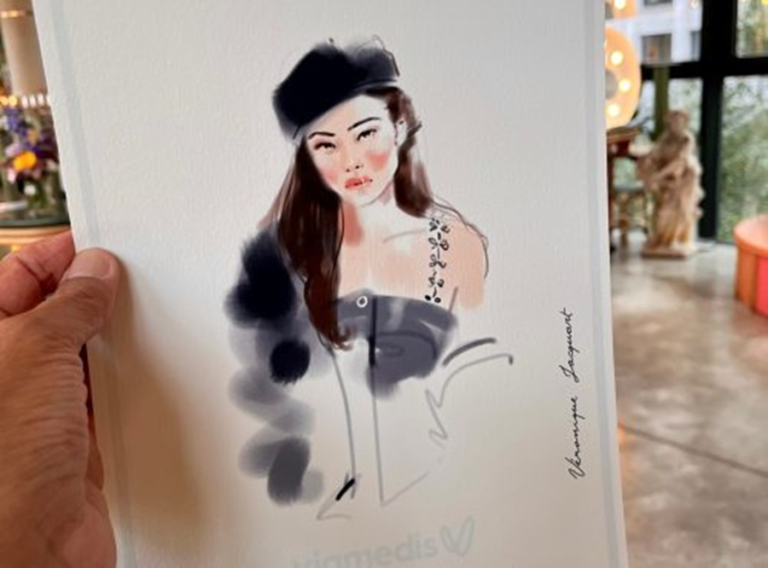
Throughout this reflection, references to work and philosophy associated with Véronique Jacquart offer a concrete example of how these principles can be applied to contemporary portraiture.
Understanding the role of the portraitist
A portrait painter does much more than create a faithful image of a person’s appearance. Portraiture lies at the crossroads of art, psychology, observation and technical rigor. The artist acts as an interpreter, translating the subject’s physical features, temperament and presence into a visual form that can withstand the test of time.
Unlike many other art forms, portraiture implies an intrinsic responsibility. It often represents identity, memory and heritage. As a result, the role of the portraitist extends far beyond aesthetics to include careful observation, ethical discernment and emotional sensitivity. This complexity explains why only a few artists are recognized as the best portraitists in their field.
Portraiture as interpretation, not mere reproduction
Portraits are often misunderstood as mere visual copies. In reality, a successful portrait interprets more than it reproduces. The artist must choose what to emphasize, what to soften, and how to guide the viewer’s gaze without betraying the truth of the subject.
A professional portrait painter observes posture, variations in expression and the evolution of personality over time. These observations guide the artistic decisions that shape the final work. This process of interpretation is one of the essential elements that distinguish a competent work from a portrait created by the best portraitist.
Why portraiture is a specialized discipline
The art of portraiture demands a convergence of skills that are rarely mastered simultaneously. Technical precision must coexist with emotional sensitivity, without one dominating the other. This balance makes portraiture one of the most demanding visual disciplines.
A professional portraitist must maintain structural accuracy of the human face while responding with finesse to subtle emotional cues. He or she must also make informed choices regarding materials, scale and technique to ensure the stability and visual consistency of the work over many decades.
The responsibility of representation
Each portrait carries a meaning that goes beyond its artistic medium. It can become a personal legacy, a family testimony or an institutional representation. The artist’s choices therefore have long-term consequences.
Véronique Jacquart’s approach fully illustrates this sense of responsibility, viewing portraiture as a rigorous practice rather than a mere decorative service. This commitment explains why excellence in portraiture is built through sustained devotion, not mere declarations.
Technical mastery as the foundation
Technical skill is not optional in portraiture. It is the foundation on which all expressive elements rest. Without solid technique, even emotionally ambitious portraits lose credibility.
That’s why the best portraitist is almost always an artist with extensive training and many years of disciplined practice.
Accuracy of design and proportions
Before tackling color, texture or atmosphere, structure must be mastered. The precision of the drawing determines whether a portrait appears stable and credible.
Key technical skills include:
- Understanding the anatomy of the skull and face
- Precise line placement
- Mastering perspective and scale
- Sensitivity to symmetry and asymmetry
A professional portraitist uses these skills intuitively, allowing expression to emerge naturally rather than being forced.
Mastery of medium and technique
Each artistic medium has its own constraints. Oil paint, charcoal or graphite require distinct approaches and rhythms. Mastery means knowing how far to push the material without compromising legibility.
A luxury portraitist also takes into account the aging of the works, in particular :
- The use of fade-resistant archival pigments
- Stable museum-quality supports
- Techniques to prevent cracking and weathering
This long-term vision is a defining characteristic of the best portrait painter and is clearly reflected in the working methods associated with Véronique Jacquart.

Capturing resemblance beyond appearance
A portrait that only reproduces physical features may seem correct, yet remain distant. True likeness operates on an emotional level, where recognition comes from a sense of familiarity rather than an exact copy.
The most convincing portraits give the impression of meeting a person, not observing an image. This deep recognition is at the heart of the best portrait artist’s approach.
Emotional accuracy
Emotional accuracy refers to the artist’s ability to convey how the subject feels, rather than how he or she poses. It is expressed through measured visual choices, far from dramatic effects or exaggerated expressions.
A professional portrait painter spends time observing these subtleties, allowing emotional cues to emerge naturally. This patience ensures that the portrait reflects an authentic personality rather than a fleeting expression.
Presence and personality
Presence is the quality that makes a portrait lively and engaging. Difficult to define, it is nevertheless immediately perceptible. It emerges when the subject’s personality is expressed through natural posture, sincere expression and balanced composition.
Artists recognized for the durability of their work, including Véronique Jacquart, favor this gradual development of portraiture. This thoughtful approach avoids forced results and embodies the patience of the best portrait painter.
Artistic style and consistency
Style lends unity to an artist’s entire body of work. It makes it possible to recognize a visual signature without having to read a name.
Consistency doesn’t mean repetition, but clarity of vision.
Developing a recognizable voice
A professional portrait painter develops over time a personal visual language that guides his or her choices of color, contrast and composition.
A strong artistic voice offers :
- Consistent quality across all orders
- Greater confidence for customers investing in a portrait
- Artistic integrity independent of fashion
The practices of luxury portraitists rely heavily on this consistency to establish credibility and trust.
Balancing tradition and individuality
Portraiture is part of centuries of tradition. However, a rigid application of historical formulas can limit expression.
The best portraitist respects tradition while responding to the individuality of the subject, creating works that are timeless rather than dated.
Professional standards and ethics
Professionalism shapes the entire portrait experience, from initial consultation to final delivery. Ethical practice shows respect for both subject and art.
Collaboration and communication with customers
Clear communication is essential. A professional portrait artist explains expectations without promising unrealistic results.
Key professional behaviors include:
- A transparent discussion of the process and deadlines
- Clear limits regarding retouching
- Meeting customer expectations without compromising quality
This approach is fully reflected in Véronique Jacquart’s professional ethics.
Commitment to quality and sustainability
A portrait often has emotional and historical value. The artist must anticipate how the work will stand the test of time.
The best portraitist thinks in terms of longevity right from the design stage, through the choice of materials and rigorous execution.
Evaluating a portrait painter before placing an order
Choosing a portrait painter requires careful evaluation. A portrait is often a long-term investment, both emotional and material. Decisions based solely on price, speed or immediate visual impact frequently result in works lacking depth or durability.
Examining a portfolio with discernment
When analyzing a portfolio, it’s essential to observe overall consistency rather than focusing on a single standout work. A strong portfolio demonstrates consistently accurate drawing on a variety of subjects.
Understanding the artist's process
A professional portraitist must be able to clearly explain his or her process, from initial consultation to final delivery. This includes reference management, validation steps and deadlines associated with each phase.
Conclusion
The best portrait artist is defined by discipline, integrity and depth, rather than by visibility or marketing claims. Excellence in portraiture is the result of years of study, a respect for tradition and a sensitivity to human presence.
A professional portrait artist creates works that honor identity while standing the test of time. For those seeking meaningful portrait commissions rooted in craftsmanship, drawing inspiration from artists such as Véronique Jacquart offers a valuable perspective.
Schedule a consultation with a professional portraitist to discuss your vision, timeline and investment in a customized, heritage-quality portrait.
Frequently Asked Questions
The best portraitist combines technical mastery, emotional sensitivity, professional ethics and artistic consistency. His work captures both likeness and likability, but retains both style and creativity.
A professional portraitist respects the client’s brand image, communicates clearly and creates works that clients will want to keep for a long time.
A portraitist for luxury events emphasizes expertise, personalized experience and discretion. The aim is to put the customer first with impeccable service.
Live, a portrait is drawn in less than 10 minutes. On commission, it can take several hours. Times vary according to the details drawn (high jewelry pieces – watches and backgrounds).
Emotional accuracy enables the portrait to reflect the character of the subject, not just its appearance, giving the work depth and lasting relevance, and in the age of AI, this is indispensable.